



Quick answer: Estate planning after marriage helps couples decide who can manage money, make health care decisions, receive property, and care for loved ones if life changes unexpectedly.
Key takeaways
- Marriage can change beneficiary rights and property decisions.
- A new spouse should review wills, trusts, powers of attorney, and health care directives.
- Couples with children, homes, businesses, or blended families should update documents early.

Why estate planning after marriage matters
Estate planning after marriage gives both spouses a clear plan. It can reduce confusion about property, decision-making authority, and family responsibilities. It also helps each spouse understand what happens if one person dies or can no longer manage important decisions.
California families often use a living trust, pour-over will, durable power of attorney, and advance health care directive. These documents work together. They help the couple name trusted decision-makers and explain how assets should transfer.
Documents to review after marriage
- Living trust: Review who manages trust property and who receives it.
- Will: Update executor choices and guardian nominations if children are involved.
- Power of attorney: Name someone who can handle financial matters when needed.
- Health care directive: Choose who can speak with doctors and make medical choices.
- Beneficiary designations: Check retirement accounts, life insurance, and payable-on-death accounts.
Special issues for blended families
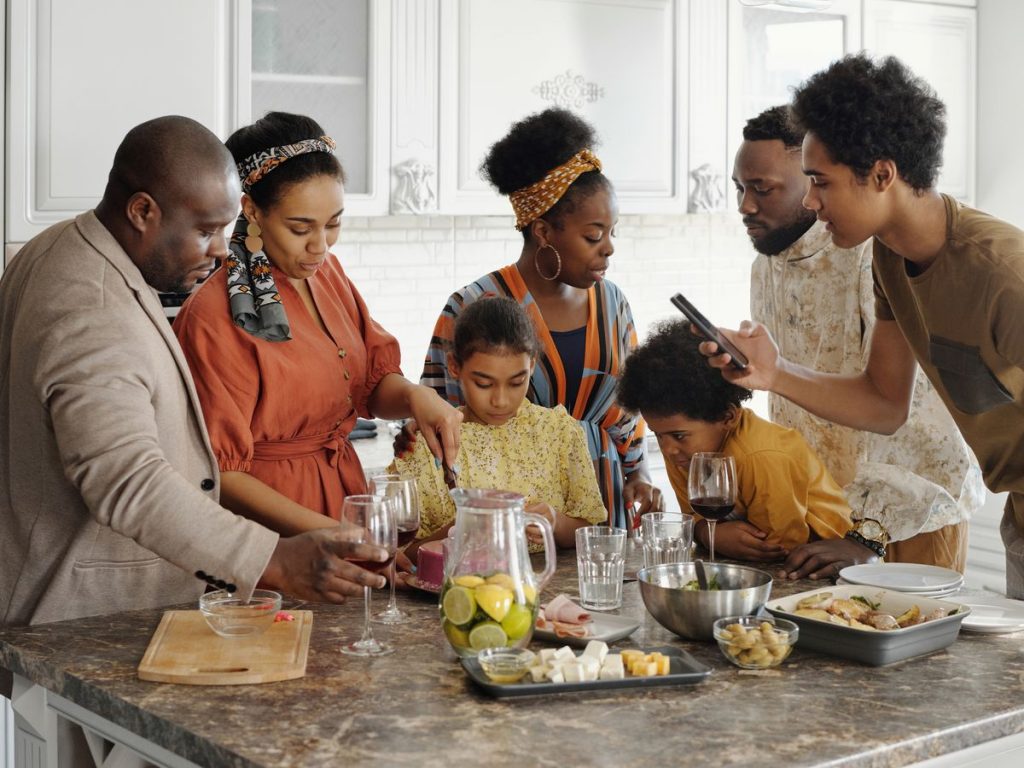
Blended families should be especially careful. A plan can protect a surviving spouse while also preserving gifts for children from a prior relationship. Clear instructions reduce the chance of conflict later.
When should couples update the plan?
Couples should review their plan soon after marriage. They should also update it after buying a home, having a child, starting a business, receiving an inheritance, or moving to another state.
California community property basics for newlyweds
California is a community property state. Under Family Code section 760, property either spouse acquires during the marriage while living in California is generally community property, while property owned before the marriage, or received by gift or inheritance, is generally separate property. Income earned during the marriage, a home bought together, and retirement contributions made after the wedding usually fall on the community side.
This matters for estate planning because each spouse can only leave their own half of the community property and all of their own separate property. A clear plan, and clear records of what each person brought into the marriage, can prevent disputes later, especially when there are children from an earlier relationship.
What if your old plan never mentions your spouse?
If you signed a will or trust before the wedding and never updated it, California law may still give your new spouse a share. Probate Code section 21610 can give an omitted spouse a portion of the estate unless the documents show the omission was intentional or another exception applies. That outcome may not match what either of you wanted, and it can mean court involvement. A post-wedding review avoids that guesswork.
Retirement accounts and beneficiary forms
Beneficiary designations pass outside your will and trust. Many employer retirement plans give a spouse rights to the account, and naming someone other than your spouse may require the spouse’s written consent. Review every 401(k), IRA, life insurance policy, and payable-on-death account after the wedding so the forms match the plan.
Personal items deserve attention too. If certain heirlooms should stay with your side of the family, putting those wishes in writing is simple and avoids hard conversations later. And if you are deciding whether a trust is worth it, comparing estate planning with probate costs is a useful next read.
Frequently asked questions
Does marriage automatically update my estate plan in California?
No. Marriage does not rewrite your documents. California law may give an omitted spouse a share, but that default may not match your wishes, so couples should update their plan after the wedding.
Is a house I owned before marriage community property?
Generally, property owned before marriage is separate property. Mixing it with community funds, such as paying the mortgage with marital income or retitling it, can create a community interest, so it is worth reviewing how the home is titled.
Speak with a San Jose estate planning attorney
Trust Law Legacy Group, APC helps California couples build practical estate plans. Call 408-945-3950 to schedule a consultation.
Protect what matters most. Talk with our California estate planning team.
This article provides general information about California law and is not legal advice. Reading it does not create an attorney-client relationship. Every situation differs, and outcomes depend on facts specific to each family. Prior results do not guarantee a similar outcome.
Ready to put a plan in place? See how our San Jose estate planning attorneys help families with wills, trusts, powers of attorney, and healthcare directives.