

Losing someone you love is never easy. The days that follow can feel like a blur, filled with sadness, memories, and sometimes confusion about what needs to be done next. While it’s a difficult time, taking care of the necessary legal steps can help bring peace of mind and make sure your loved one’s wishes are honored.
Quick Answer: After a loved one dies, the first legal steps are to obtain the death certificate, secure the home and documents, notify key institutions, and determine whether the estate is handled through a trust, beneficiary designations, or probate. If there is real estate, a trust, family conflict, or uncertainty about who has authority, get guidance before moving assets.
Table of Contents
At Trust Law Legacy Group, we see how overwhelming this process can feel. Our estate planning and probate attorneys in San Jose are here to guide you through each step with compassion and care.
1. Obtain a Legal Pronouncement of Death
If your loved one passed away at home, call 911 so a medical professional can make the pronouncement. If they were in a hospital, hospice, or care facility, the staff will handle it for you.
Once this is done, request several certified copies of the death certificate. You’ll need them for banks, insurance claims, and other official matters. Having around ten copies is usually a good idea.

2. Make Funeral and Memorial Arrangements
This can be one of the hardest parts emotionally.
A funeral home can help you with arrangements, whether for burial, cremation, or a celebration of life. If your loved one left written wishes in their will or trust, try to follow them as closely as possible.
Take this time to gather family and friends, share stories, and remember your loved one in a way that feels meaningful.
3. Locate and Secure Important Documents
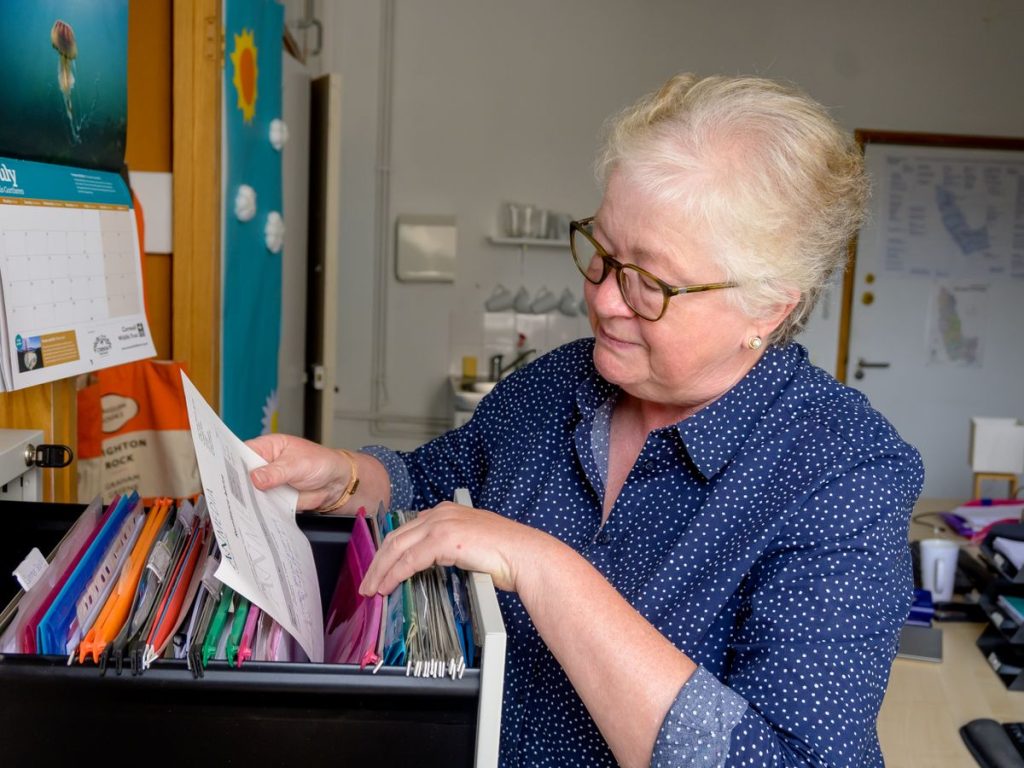
Once immediate plans are in place, begin gathering your loved one’s important papers. These may include:
- The last will and testament or trust documents
- Life insurance policies
- Bank and investment account information
- Property deeds and titles
- Retirement plans or pensions
You should also secure their home and valuables to prevent loss or theft during this transition period.
If you’re unsure where to start, you can ask our estate planning attorney. He can help you identify what documents are needed and how to access them legally.
4. Notify Key Institutions
Next, you’ll need to let important organizations know about your loved one’s passing. This includes:
- Social Security Administration (to stop payments and apply for any benefits)
- Banks and credit unions
- Credit card companies and lenders
- Insurance providers
- Utility companies and subscription services
If your loved one had a trust, contact the trustee or successor trustee right away. They’ll be responsible for managing assets, paying debts, and distributing inheritances according to the trust terms.
5. Determine if Probate Is Necessary
If your loved one left a valid trust, many of their assets may transfer outside of probate, making the process smoother and faster.
However, if there is only a will, or no estate plan at all, the estate will likely go through probate court. Probate is the legal process of verifying the will, paying debts, and distributing assets under court supervision.
Probate can take anywhere from 9 months to 2 years, depending on the estate’s complexity. Having an experienced probate attorney ensures you meet court deadlines, avoid costly mistakes, and minimize family disputes.

If your loved one owned a home, see our page for a real estate attorney in San Jose.
6. Don’t Forget to Care for Yourself
It’s easy to get caught up in the paperwork and responsibilities, but remember to take care of yourself, too. Grief takes time. Be gentle with yourself, rest when you can, and lean on family and friends for support.
At Trust Law Legacy Group, we’re here to lift some of that weight off your shoulders. Our team will handle the legal details with care and respect, so you can focus on healing and cherishing your loved one’s memory.
We’re Here to Help You Move Forward
If you’ve recently lost a loved one, you don’t have to go through it alone.
At Trust Law Legacy Group, we guide families through estate administration, probate, and trust management every step of the way. Our attorneys help make sure every legal detail is handled properly, so you can focus on what truly matters: healing and remembering your loved one.
📞 Call us today at 408-945-3950 to Schedule a design meeting.
Let us help you settle your loved one’s affairs with care, dignity, and peace of mind.
Related Guides to Read Next
Next, read California probate help in San Jose, what trust administration involves, and how long trust administration can take.
Key Takeaways
- Get certified death certificates early because banks, insurers, and title companies often require them.
- Secure the home, mail, accounts, passwords, and estate documents before distributing anything.
- Probate is not automatic; it depends on how each asset is titled and whether a trust or beneficiary designation controls.
- If there is real estate, a trust, or family disagreement, pause before moving assets and get legal guidance.
Frequently Asked Questions
What is the first legal step after someone dies in California?
Start by getting a legal pronouncement of death and ordering certified death certificates. Then secure important documents, identify who has legal authority, and review whether assets pass through a trust, beneficiary designation, or probate.
How do I know if probate is needed?
Probate depends on how assets are titled, whether there is a trust, whether beneficiaries are named, and what property remains in the person’s individual name. Real estate or accounts with no trust, joint owner, or beneficiary designation often require closer review.
Can I access bank accounts immediately after a death?
Usually not unless you are already a joint owner, named beneficiary, trustee, or legally appointed representative. Banks and institutions generally require documentation before releasing information or funds.
Should I move or distribute property right away?
Avoid distributing property until authority is clear. Moving assets too early can create tax, creditor, beneficiary, or court problems if the estate later needs probate or trust administration.
Need help making the next step clear for your family?
This article provides general information about California law and is not legal advice. Reading it does not create an attorney-client relationship. Every situation differs, and outcomes depend on facts specific to each family. Prior results do not guarantee a similar outcome.