



A caregiver power of attorney is the document that turns everyday help into legal authority. You already drive to appointments, sort the mail, and answer the phone at midnight. However, the bank still refuses to talk to you. Meanwhile, the insurance company asks for a signature your parent can no longer provide.
Written by Trust Law Legacy Group, APC, an Estate Planning, Trust & Probate Law Firm in San Jose, California. Updated November 2026.
Quick Answer: A caregiver power of attorney lets a person you are helping name you as their agent for financial matters, while an advance health care directive names you for medical decisions. Both must be signed while that person still has capacity. Once capacity is gone, the family is often left with a court process such as a conservatorship, which takes time and adds legal cost.
Table of Contents
- The Gap Between Doing the Work and Having the Authority
- What a Caregiver Power of Attorney Actually Covers
- Why a Caregiver Power of Attorney Cannot Wait
- Practical Steps for California Caregivers This Month
- Protecting the Caregiver, Not Just the Person Receiving Care
- Frequently Asked Questions
- Key Takeaways
November is National Family Caregivers Month, led by the Caregiver Action Network. It is a fitting month to close that gap. This guide explains what California caregivers need, how to get it while it is still possible, and what happens when a family waits too long.
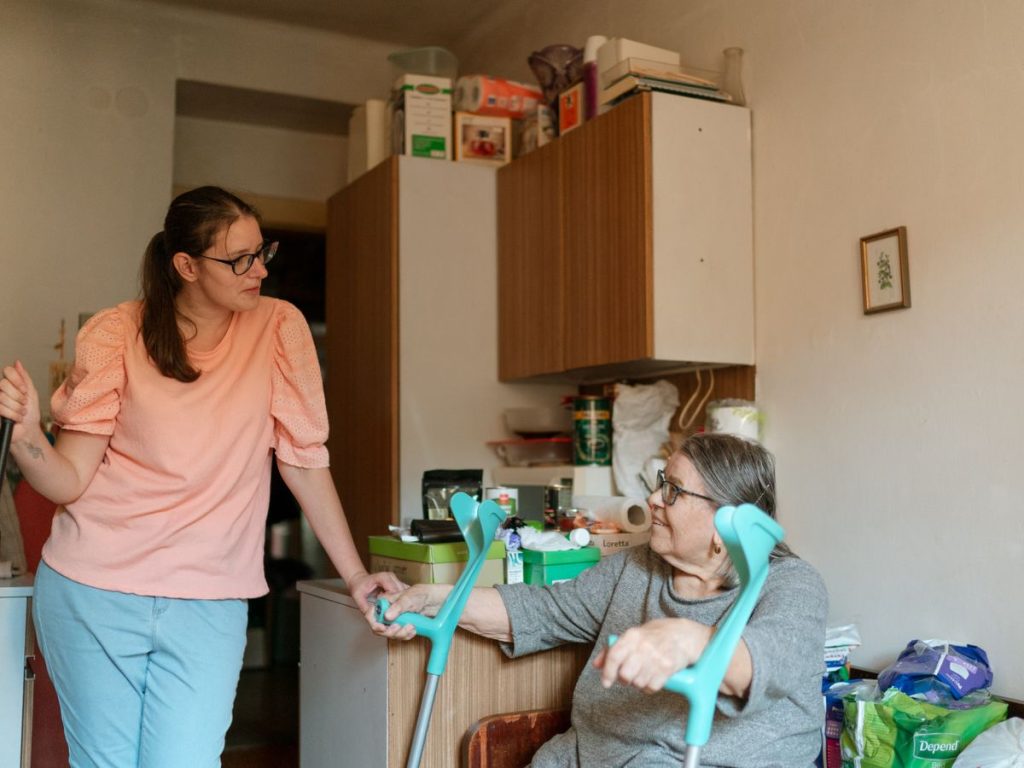
The Gap Between Doing the Work and Having the Authority
Caregiving starts informally. First you help with groceries. Next you handle a bill. Eventually you manage an entire household from your phone, still without a caregiver power of attorney.
Institutions do not follow that gradual path. Instead, they ask one question: are you the named agent? Without a signed document, a bank freezes you out, a landlord ignores you, and a hospital hesitates to share information. The person doing the most work often has the least authority.
That gap creates real harm. For instance, bills go unpaid while a family argues with a call center. Care decisions stall because nobody can consent. For that reason, the paperwork is not bureaucracy. Rather, it is the tool that lets you keep helping.
You are already the caregiver. Let’s make it official on paper.

What a Caregiver Power of Attorney Actually Covers
California separates money decisions from medical decisions, so most families need two documents rather than one. In practice, a caregiver power of attorney handles the money side, and a directive handles the rest. Here is what each institution will ask you for.
- Banks, insurers, and landlords want a durable power of attorney, and many add their own internal form on top of it.
- Doctors and care facilities want an advance health care directive naming you before they take direction on treatment.
- Records departments want a HIPAA authorization before releasing results, even to a spouse.
- Title companies and brokerages want the trust language showing you may act as successor trustee.
The word durable carries weight here. A durable power of attorney survives incapacity, which is precisely when you need it. By contrast, a non-durable version ends at the moment it would finally matter.
Why a Caregiver Power of Attorney Cannot Wait
Only the person receiving care can sign a caregiver power of attorney, and only while they still understand the document. Capacity decides everything. Once dementia or a stroke removes it, no family meeting can substitute.
At that point the family often has to petition the probate court for a conservatorship. That process involves an investigator, a hearing, ongoing court supervision, and periodic accountings to the court. It plays out in a public file, and the legal costs add up.
Families almost never regret signing early. Instead, they regret waiting for a better moment that never arrived. If you sense a window closing, treat this month as the deadline.
Capacity is a window, not a door. Let’s use it while it is open.
Practical Steps for California Caregivers This Month
Work through the list below in order. Keep a simple written log of what you complete and when. Above all, locate any existing caregiver power of attorney before you assume none exists.
- Ask whether a power of attorney, health care directive, and trust already exist, then read them.
- Confirm who is actually named as agent and successor, because assumptions are often wrong.
- Deliver copies to the bank, the doctor, and any care facility before you need them.
- Gather account numbers, insurance policies, and login information in one secure place.
- Check that the home is titled to the trust if a trust exists.
- Write down the care wishes your loved one expresses while they can still express them.
Banks deserve extra attention. Many institutions want their own form on file alongside your power of attorney, and they can take weeks to process it. Presenting the document early saves you a crisis later. The Caregiver Action Network offers practical resources at caregiveraction.org that pair well with the legal steps here.

Protecting the Caregiver, Not Just the Person Receiving Care
Caregivers carry risk of their own. For example, if you manage someone else’s money under a caregiver power of attorney, siblings may question your choices years later. Keep clean records from day one, and never mix accounts.
Compensation deserves an honest conversation too. For example, family caregivers sometimes leave jobs or reduce hours, and a written caregiver agreement can address that fairly. Otherwise, the arrangement can look like a gift to one child, which frequently sparks estate litigation after a death.
Finally, look at your own plan. In our experience, caregivers postpone their own documents while managing someone else’s. Because of that, the person holding everything together frequently has nothing signed.
Frequently Asked Questions
Can I get a caregiver power of attorney if my parent already has dementia?
It depends on whether they still understand the document at the moment of signing. Capacity can fluctuate, and a diagnosis alone does not automatically end it. However, once capacity is gone, the family usually needs a court order, most often a conservatorship.
What is the difference between a power of attorney and a conservatorship?
Your loved one signs a power of attorney voluntarily in advance, and it stays private. A judge orders a conservatorship after a public court process, and it brings ongoing supervision, reporting, and cost.
Does a power of attorney let me make medical decisions?
Generally no. In California, medical authority comes from an advance health care directive, while financial authority comes from a durable power of attorney. Most families sign both at the same time.
Will the bank accept a caregiver power of attorney?
Usually, though many banks require their own supplemental form and an internal review first. Present the document early rather than during an emergency, and ask what else the institution needs.
Should a family caregiver be paid?
That is a family decision, and a written caregiver agreement can handle it fairly. Otherwise, payments can look like unequal gifts and lead to disputes among siblings later.
Key Takeaways
- A caregiver power of attorney converts informal help into authority that banks and insurers will accept.
- California splits the job: a durable power of attorney handles money, and an advance health care directive handles medical choices.
- Only the person receiving care can sign, and only while they still have capacity.
- Waiting too long can force the family into a public court conservatorship with ongoing supervision and cost.
- Caregivers should keep clean records, consider a written caregiver agreement, and finish their own plan too.
National Family Caregivers Month is a good excuse to have a hard conversation early. If you are helping a parent and you have never seen their documents, bring what you can find to a design meeting. We will tell you what exists, what is missing, and what can still be signed. You can also read more about our approach to powers of attorney.
Give your family clarity, protection, and peace of mind.
This article provides general information about California law and is not legal advice. Reading it does not create an attorney-client relationship. Every situation differs, and outcomes depend on facts specific to each family. Prior results do not guarantee a similar outcome.